News · Waikato · Taranaki · Halloween · Families · Community
Halloween Map NZ founders make nationwide service completely free
29 October 2026 · 6 min read
The stories that matter to Waikato, for the Waikato.
New figures show diesel prices have increased dramatically in recent months, raising questions about the potential impact on building projects throughout Hamilton and the wider Waikato.
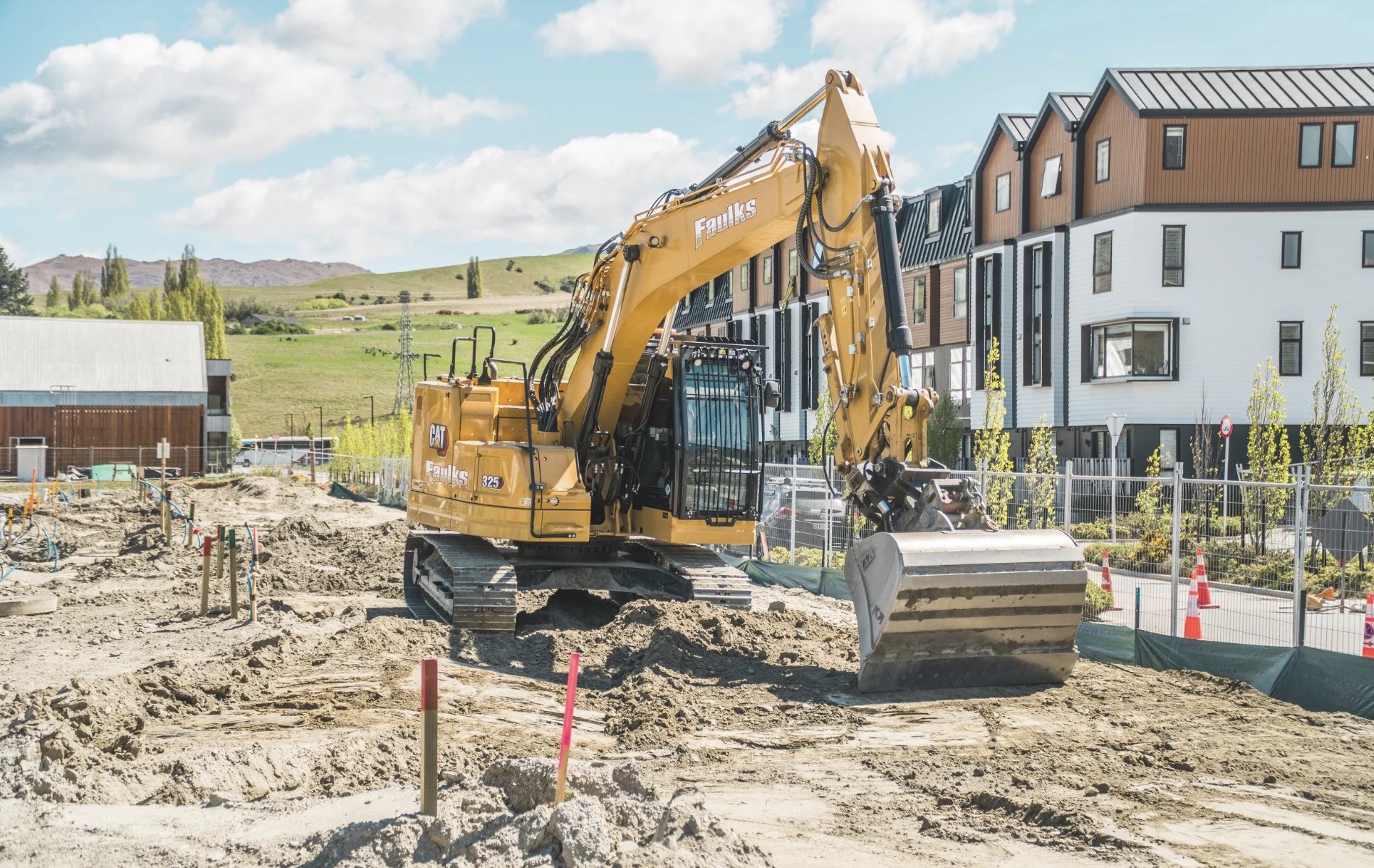
New figures show diesel prices have increased dramatically in recent months, raising questions about the potential impact on building projects throughout Hamilton and the wider Waikato.
Despite rising fuel costs, the latest construction industry data suggests overall trade rates have remained relatively stable, with significant price movements in individual materials and services largely offsetting one another.
According to the October update from QV CostBuilder, diesel prices increased by an average of 19% compared with the previous monthly assessment.
That places diesel prices 76.2% above their February levels.
However, average construction trade rates increased by just 0.1% over the latest month.
The figures are based on construction cost data covering six New Zealand cities, including Hamilton, Auckland, Wellington, Christchurch, Dunedin and Palmerston North.
While the overall increase was small, the data revealed more significant changes in some construction activities.
Excavation costs rose 3.9%, while piling and demolition each increased by 0.6%.
These activities frequently rely on heavy machinery, trucks and other diesel-powered equipment, making them particularly sensitive to movements in fuel prices.
The increases could be relevant for projects involving extensive site preparation, excavation or earthworks.
Hamilton's continued residential development means these costs remain an important consideration for people planning construction projects.
However, the nationwide figures do not establish how much the cost of an individual Hamilton building project has changed.
That will depend on the type of project, its location, the materials required and the services involved.
The latest figures also revealed substantial differences between the prices of individual building products.
Processed timber products recorded an increase of 6.2%, while medium-density fibreboard rose by 2.8%.
Reinforcing materials increased by 2.7%, roofing and cladding rose 1.6%, and insulation increased 1.1%.
Not all categories experienced price increases.
Adhesives and sealants fell by 4.2%, kitchen-related costs decreased 1.2%, and structural timber prices reduced slightly by 0.2%.
These contrasting movements help explain why overall construction cost inflation remains subdued despite significant increases in certain inputs.
For Hamilton residents considering renovations, extensions or new-home construction, the latest figures demonstrate why overall industry averages do not always reflect the cost of a particular building project.
A renovation involving relatively little earthmoving could face different cost pressures from a new dwelling requiring excavation, drainage and extensive site preparation.
Similarly, the selection of building materials can make a substantial difference to the final project budget.
QV CostBuilder quantity surveyor Martin Bisset has cautioned that relatively stable average prices should not be interpreted as an indication that every component of construction is becoming more affordable.
The latest data suggests homeowners and developers should continue allowing for potential cost changes, particularly where projects involve fuel-intensive activities or materials experiencing price volatility.
Although the headline trade-rate increase of 0.1% appears modest, the underlying figures point to a construction industry experiencing uneven cost pressures.
Some products are becoming more expensive, others are falling in price, and many are changing relatively little.
For Waikato builders, developers and homeowners, the key consideration is not simply whether overall construction costs are rising, but which components of their projects are most exposed to changing prices.
With diesel prices substantially higher than earlier this year, the construction sector will be watching whether those increases eventually place broader pressure on building costs.
For now, the latest figures indicate that a sharp rise in fuel prices has not yet resulted in an equivalent increase across the construction industry.
Have a story tip or spotted an error? Contact the newsroom.
No comments yet — be the first to share your thoughts.
Sign in to join the discussion.
Sign in to comment29 October 2026 · 6 min read
29 October 2026 · 3 min read
29 October 2026 · 3 min read