News · Waikato · Hamilton · Politics · Election 2026
Enrolments close as voting begins: New Zealand heads to the polls
26 October 2026 · 3 min read
The stories that matter to Waikato, for the Waikato.
Advance voting is now underway across New Zealand, with a Hamilton education campus among the community locations welcoming voters today as the country approaches its November 7 general election.
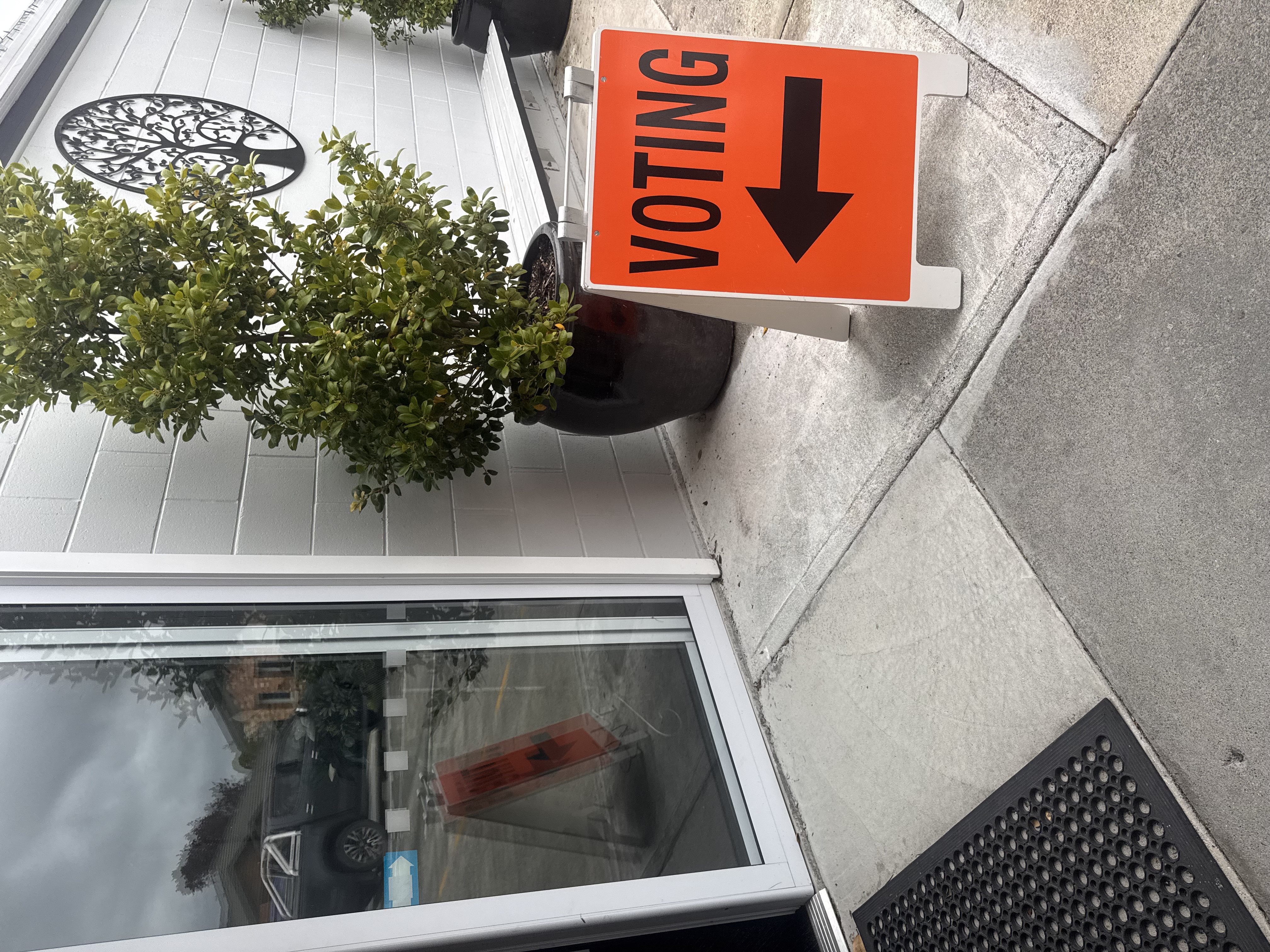
Tuesday, 27 October marks the second day of advance voting for New Zealand’s 2026 General Election, giving eligible voters across Waikato another opportunity to participate before polling day.
Among the voting locations scheduled to operate today is Te Wānanga o Aotearoa’s Mangakōtukutuku campus at 254 Ōhaupō Road in Glenview, Hamilton.
The campus is scheduled to welcome voters between 9am and 12.30pm, before reopening from 5pm until 7pm.
Its inclusion in the advance voting programme reflects the Electoral Commission’s wider approach of placing voting opportunities in locations that communities already use, including educational institutions, community centres and marae.
For Hamilton residents, the election is now no longer simply a campaign playing out on television, social media or billboards.
The opportunity to cast a ballot has arrived.
Traditionally, many New Zealanders have associated voting with visiting a school hall or community centre on election day itself.
However, advance voting has become an important part of how elections are conducted, allowing people to vote before the designated polling day.
In 2026, the advance voting period began on Monday, 26 October, and continues until Friday, 6 November.
Election day follows on Saturday, 7 November.
For Waikato residents who work weekends, have family commitments, travel regularly or simply prefer to vote at a quieter time, the extended voting period offers additional flexibility.
But opening hours are not identical at every location.
Some voting places operate across several days, while others are available only during selected periods.
That makes checking official opening times particularly important.
A location being advertised as part of the advance voting network does not necessarily mean it will be open every day until the election.
A Hamilton campus opens its doors Today’s scheduled voting arrangements at Te Wānanga o Aotearoa’s Mangakōtukutuku campus provide an example of how advance voting can be incorporated into familiar community settings.
The Ōhaupō Road location is offering two separate voting periods: one during the morning and early afternoon, followed by another in the early evening.
The later session provides an option for people whose daytime commitments make voting during ordinary business hours less convenient.
A second Te Wānanga o Aotearoa location in Hamilton, the Raroera campus at 3/510 Te Rapa Road, has advance voting scheduled for Wednesday, 28 October.
That location is expected to operate from 9am until midday and again from 3pm until 7pm.
Another session is scheduled at Raroera for Wednesday, 4 November.
These are published voting schedules, rather than confirmation of actual turnout or activity at the venues.
Anyone planning to attend should check the Electoral Commission’s latest information before travelling.
Why community-based voting matters Finding an appropriate place to vote can be straightforward for people who live close to a large shopping centre or established polling venue.
For others, the practical considerations can be more complicated.
Transport, work patterns, childcare responsibilities, accessibility requirements and the distance between home and a voting place can all influence when and where someone chooses to vote.
Community-based venues help broaden the range of locations available.
The Electoral Commission has confirmed that voting places for this year’s election include schools, shopping areas, tertiary education providers, marae, places of worship and community halls.
Across the country, more than 220 Whare Pōti Māori voting places form part of the election programme.
Of those, 67 have been identified as bilingual voting places, where the voting process can be conducted in te reo Māori or English.
The availability of bilingual voting services is particularly significant in making the electoral process accessible to people who prefer to engage in te reo Māori.
It is also a reminder that accessibility is not limited to physical entry into a building.
Clear information, appropriate support and an environment where voters can participate comfortably are important parts of an inclusive voting system.
What happens when someone votes? New Zealand uses the Mixed Member Proportional electoral system, commonly referred to as MMP.
Under that system, voters generally receive two votes.
The party vote determines the overall share of parliamentary seats allocated to political parties, subject to the electoral rules.
The electorate vote is used to choose the local candidate who will represent an electorate in Parliament.
Although the two votes appear together on the ballot paper, they serve different purposes.
A voter is not required to support the same political party through both votes.
That distinction is important in electorates where voters may favour one party nationally but prefer a particular local candidate.
For residents across Waikato, the choice of electorate candidate can be influenced by local considerations such as transport, housing, healthcare access, education, rural issues and community representation.
These are matters on which candidates and parties may offer different priorities and proposals.
The Waikato Advocate does not endorse a particular candidate or political party in this report.
Can you vote outside your own electorate? The Electoral Commission advises that voters can attend an official voting location anywhere in New Zealand.
However, voting outside a person’s electorate can require additional paperwork.
For that reason, checking the available locations in advance can make the process more convenient.
People who have received an EasyVote card may find it useful to bring along, although the card is not compulsory.
Election officials can assist eligible voters with the voting process.
The official voting-place finder also provides the most reliable source of information about venue opening dates and times.
An important enrolment deadline has passed While advance voting is now underway, another important election deadline has already passed.
Sunday, 25 October was the last day to enrol to vote in the 2026 General Election.
This means people who intended to participate but had not completed their enrolment by the deadline should not assume they can enrol at a voting place today.
The deadline is different from the arrangements that applied in some previous New Zealand elections, when eligible people could enrol during the voting period.
Voters uncertain about their enrolment status should contact the Electoral Commission directly for advice.
People who completed their enrolment close to the deadline may also wish to check their details.
The Electoral Commission has indicated that processing enrolments and updates received around the deadline will continue during the election period.
The final days of campaigning The opening of advance voting represents an important change in the election campaign.
Political parties are no longer campaigning only for support they hope to convert into votes on 7 November.
Some voters are already making their decisions.
Others may choose to continue following debates, announcements and candidate appearances before casting their ballots.
The election period therefore brings together two groups: those who have already voted and those who remain undecided.
Campaigning is subject to restrictions around voting locations, including rules designed to protect voters from direct electioneering at the entrance to polling places.
Political parties and candidates must comply with electoral advertising requirements.
Election advertising must also end by the statutory deadline on 6 November, ahead of election day.
Why the Waikato vote matters Waikato contains a mixture of urban centres, rural districts and smaller communities, each with its own concerns and priorities.
Hamilton’s continued development creates questions about infrastructure, residential growth, transport and public services.
Rural communities have their own perspectives on issues affecting farming, employment opportunities, environmental management and access to essential services.
Smaller towns may place particular importance on local healthcare, road maintenance, housing availability and maintaining community facilities.
These differences illustrate why local electorate contests remain relevant, even though the party vote plays the central role in determining the overall composition of Parliament.
However, the existence of regional issues does not establish which party or candidate residents will support.
Election outcomes can only be determined through the votes actually cast.
What happens next? Advance voting continues throughout the coming days, with the number and availability of voting locations varying according to the official schedule.
All voters planning to cast an advance ballot should check their preferred venue before leaving home.
On Saturday, 7 November, more than 2,300 voting places are expected to operate nationwide.
Election-day voting runs from 9am until 7pm.
Preliminary results will begin being released after voting closes.
The official results are scheduled to be declared on 27 November, allowing time for the remaining votes to be processed and counted.
For residents who have already made their decision, there is no requirement to wait until election day.
And for those still weighing their options, there is time to examine candidate positions, compare party policies and decide which issues matter most.
With voting now underway, the choice ultimately rests with eligible New Zealanders.
For Hamilton and the wider Waikato, the election has moved from campaigning into voting — and residents have begun having their say.
Find official voting locations and opening hours at vote.nz or contact the Electoral Commission on 0800 36 76 56.
Read more: Enrolments close as voting begins: New Zealand heads to the polls
Have a story tip or spotted an error? Contact the newsroom.
No comments yet — be the first to share your thoughts.
Sign in to join the discussion.
Sign in to comment26 October 2026 · 3 min read
21 October 2026 · 1 min read
20 October 2026 · 6 min read