Forgotten Generation Project
Ministry statements on emergency housing and homelessness in the Waikato
11 October 2026 · 7 min read
The stories that matter to Waikato, for the Waikato.
A Waikato mother tells how her son spent nine months homeless — sleeping beneath a bridge and searching rubbish bins for food — as the Government’s housing ministry admits the social housing system is not working effectively enough.
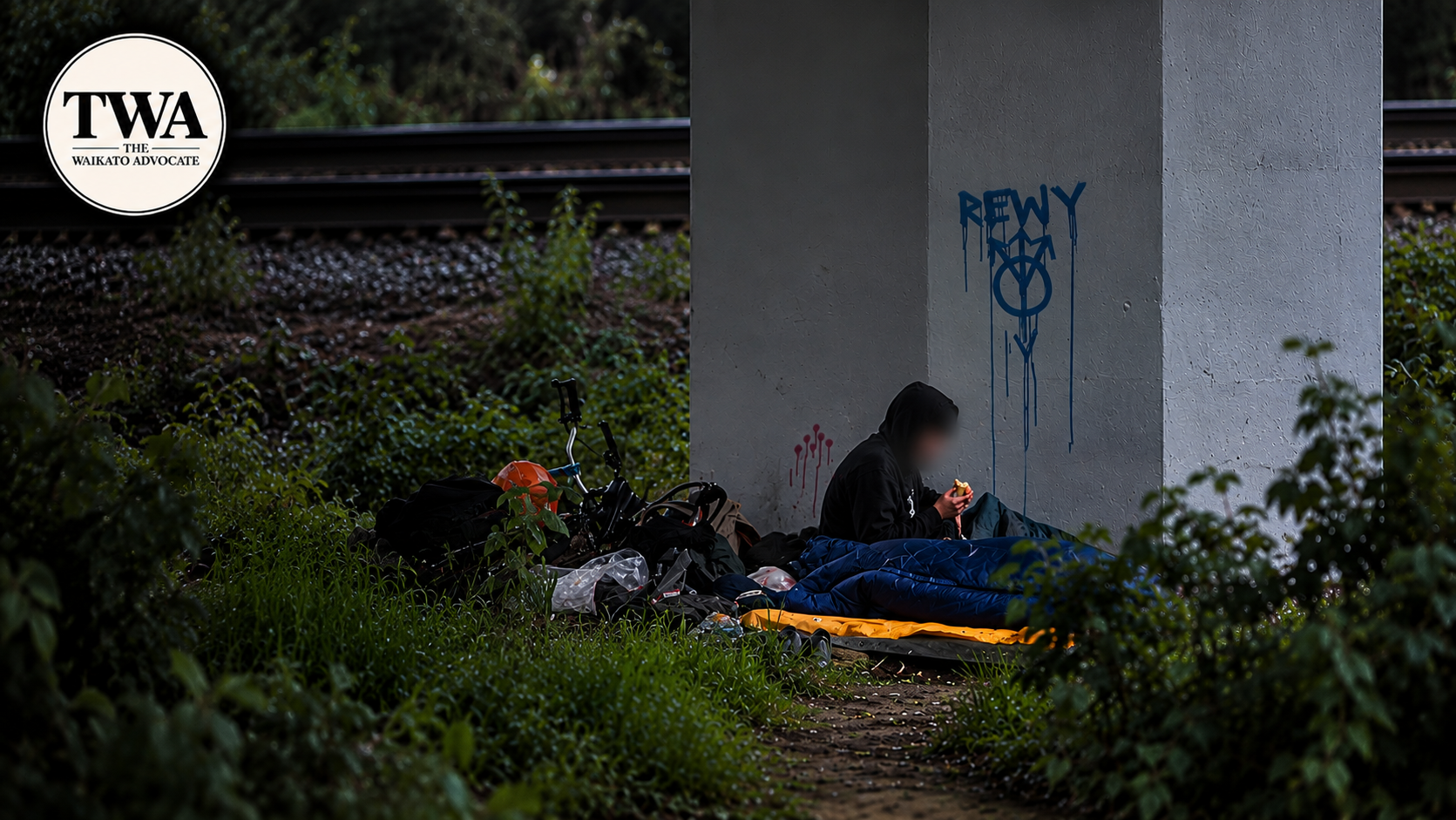
A Waikato mother has revealed how her son spent nine months homeless, sleeping beneath a bridge and searching rubbish bins for food. Another family says it has chosen to live in a car rather than enter accommodation it fears could jeopardise a vulnerable family member’s recovery.
Now, the Government’s housing ministry acknowledges the social housing system is not working effectively enough for the people it was designed to help, as Labour’s Hamilton candidates call for more social housing and changes to homelessness policy.
The accounts raise difficult questions about whether people who need a safe place to live are getting the support they need.
Mēre, whose identity is being protected at her request, told The Waikato Advocate her 39-year-old son went from working on a farm to sleeping rough after a series of personal and financial setbacks.
He left his dairy farming job to pursue a relationship in Waitara but struggled to find employment. His savings of approximately $16,000 were eventually exhausted, she said.
The couple’s rental property was then destroyed by fire, leaving her son without his belongings. After a period in a motel, the relationship broke down and he was left without accommodation.
Although he applied to Work and Income for assistance with clothing, finding somewhere safe to sleep remained difficult.
Mēre said her son slept under bushes and in alleyways, where he encountered people who frightened him. On one occasion, she said, a man produced a firearm and threatened people experiencing homelessness.
Fearing for his safety, he took shelter beneath a bridge, where he remained for four weeks before police found him and told him he could not stay.
He had no phone, no nearby whānau and no money for a bus ticket home to Tirau. Mēre said he initially kept his circumstances secret because he did not want his family to worry.
He was reduced to searching rubbish bins for food.
Eventually, he reached his grandmother’s home near Ōhinewai, where relatives welcomed him. He later called his mother and explained what he had endured.
Mēre said she cried when she heard his story. The memory, she said, remains painful.
His experience illustrates how homelessness can be compounded by financial hardship, isolation and difficulty accessing family support.
A second family, whose story is being published under the name Blake, says it is living in a vehicle at Sulphur Point in Tauranga after struggling to find accommodation it considers safe and suitable.
The family previously lived in a Kāinga Ora property in Fairfield, Hamilton. It said the death of an elderly friend who shared the household’s financial burden contributed to the loss of its tenancy.
The household also described complex caregiving needs, including those of an adult son with autism who was in the early stages of recovery from methamphetamine addiction.
According to the family, concerns about crime and drug activity contributed to its decision to leave Hamilton.
It approached The People’s Project and was directed to the Ministry of Social Development for emergency housing, it said. However, available motels that accepted dogs raised concerns about possible drug activity and the impact on its son’s recovery.
After relocating to Tauranga in the hope of accessing transitional housing, the family said it encountered further difficulties because accommodation it was directed towards did not permit dogs. It also said it received no follow-up after being told its case would be referred to the Salvation Army.
Eventually, the family stopped trying to navigate the system, it said.
It now considers living in its vehicle safer than entering accommodation it believes could put its son’s recovery at risk. The family also described difficulties accessing food, healthcare and basic facilities.
The Waikato Advocate has not independently verified every allegation in Blake’s account.
The Ministry for Cities, Environment, Regions and Transport (MCERT) acknowledged that changes were needed to the country’s housing and housing support system.
In a written response to The Waikato Advocate, the ministry said: “There is a need for a change in our housing and housing support system response.”
“Our social housing system is not working effectively enough for the very people it is designed to help.”
MCERT said the Government was addressing the issue through its Review of Social Housing.
However, it did not specify which parts of the system it considered ineffective, what changes the review would recommend or when they might be implemented.
The Waikato Advocate approached both MCERT and the Ministry of Social Development for comment on the state of homelessness in the Waikato.
We regularly support rough sleepers, where they are willing to work with us.
Karen Hocking — Group General Manager Enablement, Ministry of Social Development
In a written response, Karen Hocking, the Ministry of Social Development's Group General Manager Enablement, said: “We regularly support rough sleepers, where they are willing to work with us.”
The families’ accounts raise questions about whether housing services can respond adequately when people need more than a property alone, including support for disability, addiction recovery and navigating available services.
Their experiences do not establish how widespread these barriers are across the Waikato, but they illustrate the difficulties some families say they have encountered.
MCERT said the Waikato had 6,246 social homes at 31 August 2026, an increase of 929 compared with November 2023.
There were also 609 contracted transitional housing places, up 78 over the same period.
MSD figures show 1,461 people were on the region’s Social Housing Register in August 2026, down from 1,626 a year earlier.
That reduction does not, by itself, establish whether overall housing need has fallen or whether people have secured suitable homes.
Interactive
Tap a figure for the detail behind it — and flip the cards to test what the numbers really tell us.
Social housing
0homes
929 more than November 2023
Detail +
MCERT-reported social housing stock across the Waikato as at 31 August 2026 — 929 more than November 2023.
Transitional housing
0places
78 more than November 2023
Detail +
Contracted transitional housing places in the Waikato — 78 more than November 2023.
Social Housing Register
0people
165 fewer than August 2025
Detail +
Recorded on the Waikato Social Housing Register in August 2026, compared with 1,626 in August 2025 — a reduction of 165, or about 10.1%.
Emergency housing
0recipients
Detail +
Recipients of Emergency Housing Grants recorded in the Waikato MSD region in August 2026.
Housing First
0homes
Detail +
Of 300 additional Housing First social homes funded nationally in the previous year, 31 were in Hamilton.
Planned Hamilton housing
0homes
Detail +
Additional homes expected in Hamilton through the Government’s Flexible Fund, as described in the ministry’s response.
Tap each card to reveal the caveat behind the headline figure.
Source: MCERT and MSD figures supplied to The Waikato Advocate for the article. Figures have not been independently reconciled against the underlying datasets. The ministry’s public Housing Dashboard explains how social housing stock, transitional housing places and register applicants are measured.
Reader poll
Labour’s Hamilton East candidate and current Labour List MP Georgie Dansey said homelessness had grown in Hamilton Kirikiriroa under the current Government.
She identified the cost of living, a shortage of affordable homes and insufficient support for people experiencing hardship as key contributors to housing insecurity.
Ms Dansey accused the Government of failing to build enough state houses, cutting support for community organisations and introducing move-on orders that shift rough sleepers elsewhere without addressing the causes of homelessness.
“Labour believes everyone deserves a safe, secure place to call home, and that means tackling homelessness at its roots rather than simply making it less visible,” she said.

Everyone deserves a safe, secure place to call home, and that means tackling homelessness at its roots rather than simply making it less visible.
Georgie Dansey — Labour List MP & Labour Hamilton East candidate
Photo: NZ Labour
Labour’s Hamilton West candidate Dr Myra Williamson also criticised the Government’s approach, saying tackling homelessness would be a priority if she were elected.

We need to solve, and can solve, the homelessness crisis in Hamilton and in NZ if there is the political will to do so.
Dr Myra Williamson — Labour’s Hamilton West candidate
Photo: NZ Labour
Dr Williamson said she had brought Labour MP Willie Jackson to Hamilton in 2024 and invited the party’s housing spokesperson, Kieran McAnulty, in 2025 to see the effects of homelessness on young people, Māori, women and other residents.
Labour says it would build more than 6,000 additional social housing places over four years through a proposed $3 billion investment, alongside $760 million for income-related rent subsidies and housing operating costs.
Its proposals also include scrapping planned social housing rent increases and repealing move-on order provisions targeting begging and rough sleepers.
Dr Williamson alleged that the current Government had reduced Kāinga Ora spending and cancelled four Hamilton housing developments:
Heath Street: four homes. Endeavour Avenue: 60 homes. Collins Road: 47 homes. Crosher Place: five homes.
She said the cancellations were concerning while people remained on housing waiting lists. Dr Williamson also argued that emergency housing eligibility criteria had made it harder for some people to qualify.
The candidates’ criticisms and policy proposals reflect Labour’s position. The claims about cancelled developments, spending and eligibility require assessment alongside official records and any response from the Government or Kāinga Ora.
The Government says its Review of Social Housing will address shortcomings in the system, but MCERT did not provide specific intended outcomes or a timeline for changes.
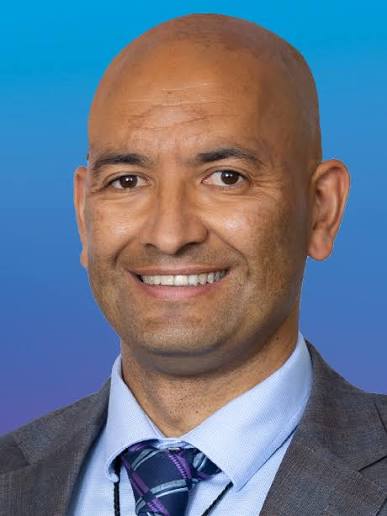
Tama Potaka
National MP for Hamilton West & Associate Minister of Housing (Social Housing)
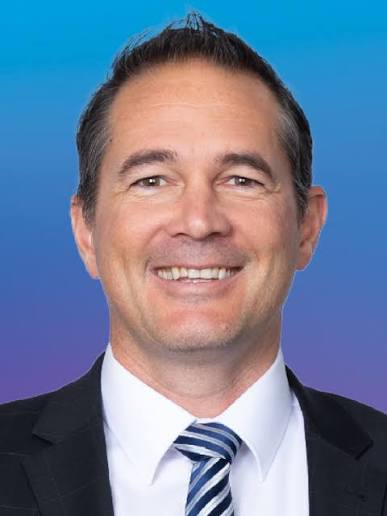
Ryan Hamilton
National MP for Hamilton East
Both MPs were asked about homelessness and the Government's response in the region. Neither had responded by the publication deadline.
The Waikato Advocate sought comment from National MPs Tama Potaka and Ryan Hamilton about homelessness and the Government’s response in the region. Neither had responded by the publication deadline.
For families experiencing homelessness, the questions are immediate: where can they find safe accommodation, what support can they access, and how long will they wait for a stable home?
Mēre’s son eventually found his way back to his whānau, but she says the memory of what he endured continues to hurt. Blake’s family, meanwhile, says it has given up trying to navigate a system it believes cannot meet its needs.
The ministry has acknowledged that change is needed. Labour has outlined an alternative, centred on additional social housing and changes to homelessness policy.
Whether the Government’s review will translate into better outcomes for people struggling to find a safe place to live remains to be seen.
Have a story tip or spotted an error? Contact the newsroom.
11 October 2026 · 7 min read
8 October 2026 · 1 min read
6 October 2026 · 3 min read