National promises random drug testing for jobseeker beneficiaries
National is promising to introduce random drug testing for those on the jobseeker benefit to ensure they're “ready for work”.
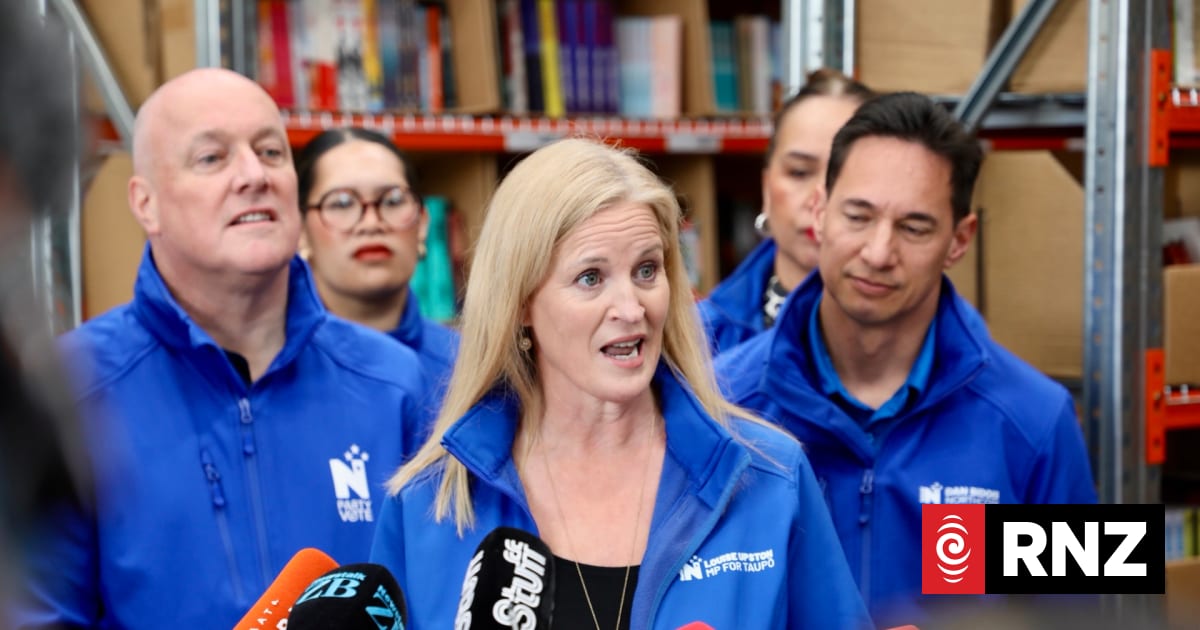
National is promising to introduce random drug testing for those on the jobseeker benefit to ensure they're “ready for work”.
A policy document released by the party said New Zealanders were regularly required to pass drug tests to get or keep a job and it was “not too much to ask” that people getting Jobseeker Support take “reasonable steps to remain work-ready”.
The announcement is part of a five-point plan that wants to “remain focused on employment”, and is “fair and affordable for taxpayers.”
National's Social Development and Employment spokesperson Louise Upston made the announcement in Paraparaumu on Thursday morning.
Upston said it would start with 10,000 tests in the first year and expand over time.
National expects the policy to cost around $1.5 million per annum and be funded from MSD baselines. The savings are expected to be just over $580 million from 2027/28 to 2030/31.
“Under our policy, a first failed test will be recorded and a second failed test will trigger a clinical alcohol and drug assessment.
“Where someone then fails to meet their obligations, the normal sanctions regime will apply, which could include reductions to their benefit.”
She said this wasn't about “punishing someone because they haven't found a job” but about making sure people receiving Jobseeker Support met reasonable expectations to be ready for work.
Under the policy, single Jobseeker recipients without children would get a reduction of around $48 per week, couples without children would get nearly $82 less per week and Jobseeker recipients with dependent children around $24 less per week — if the changes were made today.
However, actual reductions would reflect Jobseeker rates in 2028, which will increase on 1 April 2027 and 1 April 2028 to reflect inflation.
“Our five-point plan will provide more help to get into work, and stronger expectations and consequences the longer someone remains on welfare or repeatedly makes choices that keep them out of work,” Upston said.
Other parts of the plan included reducing the amount paid to Jobseekers who have been on the benefit two of the previous three years.
The plan specified there will be a smaller reduction for households with children — and a longer stand down period for those who “repeatedly leave employment” without a good enough reason.
Upston said the party was focused on “getting more people off welfare and into work”.
This article is republished from RNZ under its Creative Commons licence CC BY-ND 4.0. The original story first appeared on rnz.co.nz on 8 October 2026.
Have a story tip or spotted an error? Contact the newsroom.
More from News
FENZ responding to vegetation fire on Walter Peak, smoke visible from Queenstown
6 October 2026 · 2 min read