News · Waikato
State Highway 26 closed after serious crash east of Morrinsville
13 October 2026 · 1 min read
The stories that matter to Waikato, for the Waikato.
Labour’s Taranaki–King Country candidate David Pattemore calls for renewed discussion on bilingual road signs, saying he hopes for a positive outcome for workers involved.
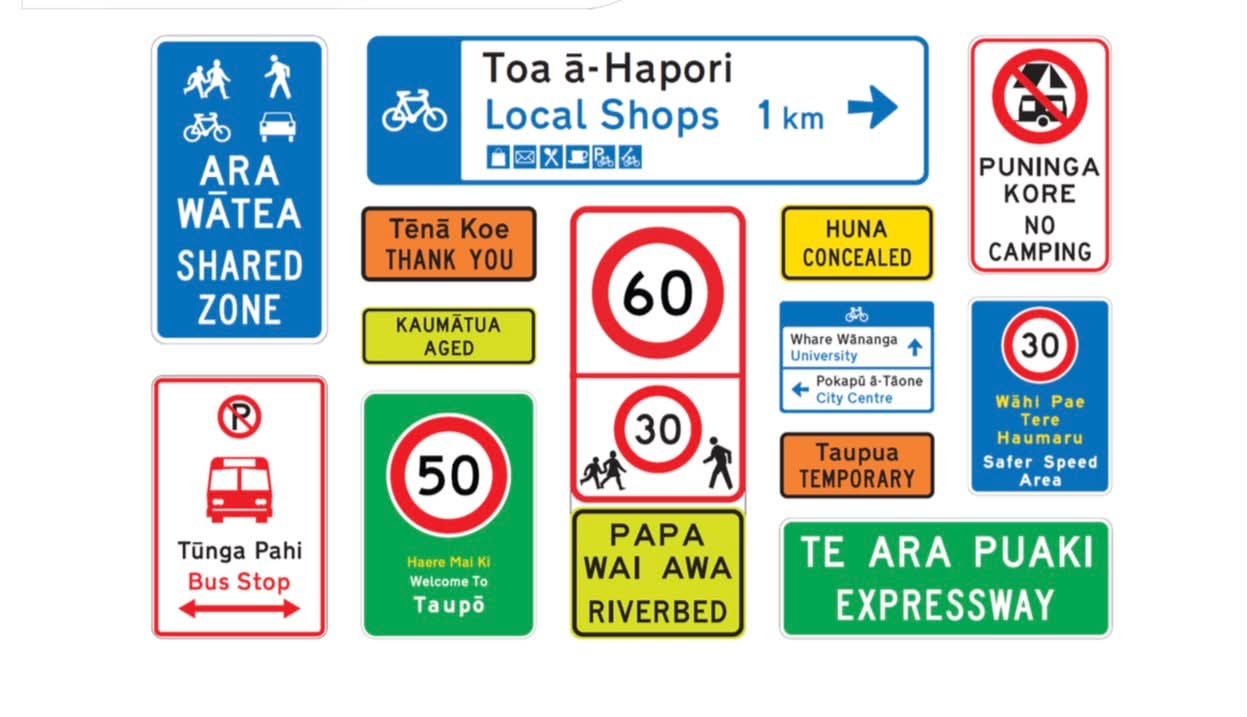
NZ Transport Agency Waka Kotahi (NZTA) has confirmed to The Waikato Advocate that the roadworker involved in the use of te reo Māori stop/go signs on State Highway 3 near Mt Messenger will not be stood down, despite earlier reports suggesting disciplinary action had been taken.
The confirmation follows reports that a site supervisor had been stood down after traffic management signs displaying the Māori words TAIHŌA (stop/wait) and HAERE (go) appeared at roadworks in Taranaki.
The Waikato Advocate previously reported on the alleged stand-down, making clear that the claims had not been independently verified.
NZTA has now provided clarification directly to The Waikato Advocate, confirming the worker will not be stood down.
The development comes as Labour’s Taranaki–King Country candidate, David Pattemore, has weighed in on the controversy, expressing support for the intention behind the signage while acknowledging concerns about its legal compliance.
Speaking with The Waikato Advocate and subsequently providing a written response, Pattemore said his understanding was that the signs were not legally compliant.

I love the ambition and passion behind the use of the te reo taihoa/haere signs, and I hope for a good outcome for the workers involved because this is a terrible time to lose a job in our current cost of living crisis.
David Pattemore — Labour’s Taranaki–King Country candidate
Photo: Labour Party
Pattemore said the incident highlighted an opportunity to revisit how New Zealand incorporates its official language into road signage.
“But the reality is that te reo is an official language and more and more people are learning it either formally or informally.”
He called for a renewed national conversation about the future of bilingual road signage, with road safety remaining a priority.
“It’s time we restarted the discussion on how we can incorporate more te reo and bilingual signs on our roading networks safely.”
“It would be such a great way of building community pride and strengthening our identity as a nation.”
The controversy has also attracted comment from National’s Taranaki–King Country MP Barbara Kuriger, who previously told The Ngāmotu Advocate that the meaning of the signs was clear despite their use of te reo Māori.

Having clearly seen the signs I am in no doubt that green means go, and red means stop as per usual.
Barbara Kuriger — National MP for Taranaki–King Country
Photo: National Party
While the signs have generated discussion about language recognition and road safety, questions have also been raised about whether the signage met New Zealand's traffic management requirements.
The Waikato Advocate and The Ngāmotu Advocate put a series of questions to NZTA about the signs. Its full written response, provided on 14 October, is published below.
Upon seeking further clarification about the employment status of the roadworker involved, NZTA confirmed they would not be stood down.
Pattemore's comments reflect his understanding of the signs' legal status rather than a formal determination by NZTA.
For the worker at the centre of the controversy, NZTA's latest confirmation provides clarity following reports that their employment had been affected.
The wider discussion about the use of te reo Māori on New Zealand's roads, however, appears set to continue.
The Waikato Advocate reported this story in partnership with The Ngāmotu Advocate.
Have a story tip or spotted an error? Contact the newsroom.
13 October 2026 · 1 min read
11 October 2026 · 7 min read