News · Waikato · Hamilton · Politics · Election 2026
Enrolments close as voting begins: New Zealand heads to the polls
26 October 2026 · 3 min read
The stories that matter to Waikato, for the Waikato.
The Waikato A&P Show runs at Claudelands Event Centre from 30 October to 1 November, with livestock competitions, family entertainment and a free educational programme for schoolchildren.
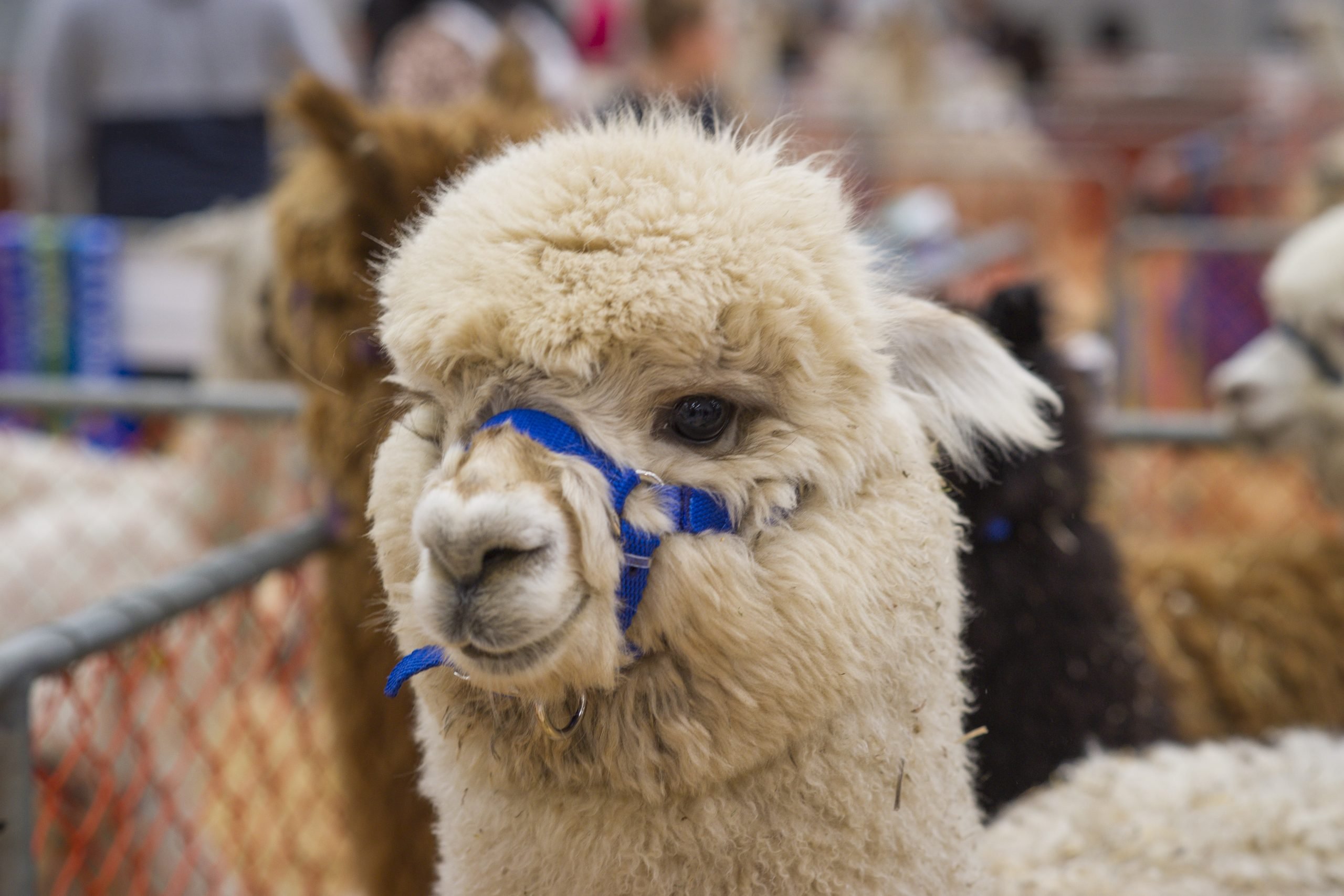
The Waikato Agricultural and Pastoral Show is preparing to welcome visitors from across the region as its 2026 event approaches.
Running from Friday, 30 October, until Sunday, 1 November, the annual show will once again transform Claudelands Event Centre into a celebration of the region’s rural communities.
The event is scheduled to open from 9am until 4pm each day.
Organisers are promoting a combination of traditional agricultural competitions, animal displays, family entertainment, shopping and opportunities for visitors to engage with the rural sector.
For a region closely associated with farming and agricultural production, the event represents more than a weekend attraction.
It is also an opportunity to recognise rural traditions, showcase animals and provide a connection between agricultural communities and the wider public.
A tradition stretching back more than a century The Waikato A&P Show is among New Zealand’s longstanding agricultural and pastoral events.
Its origins date to 1892, according to the event organisers.
Although the show has changed considerably since those early years, its central purpose remains connected to agriculture, livestock and community participation.
For more than a century, Claudelands has provided a home for the event.
Over that time, the Waikato region itself has experienced considerable change.
Hamilton has grown into a major urban centre, while surrounding districts continue to accommodate dairy farms, livestock operations and a range of rural businesses.
The show brings these different parts of the region together.
For people working in agriculture, the event provides opportunities to participate in competitions, connect with fellow exhibitors and celebrate their work.
For visitors with limited experience of farm life, it offers a chance to see animals and rural activities in a setting designed for the public.
The event has developed over time to include broader entertainment and commercial exhibits, while retaining its agricultural foundations.
Livestock remain central to the experience Animal competitions and exhibitions have traditionally formed a major part of agricultural shows.
The Waikato event continues that tradition.
The organisers have published schedules covering several categories, including dairy cattle, beef cattle, sheep, alpacas and equestrian activities.
These categories reflect the variety of animals and disciplines associated with agricultural and pastoral events.
Although visitors may be drawn to the chance to see animals up close, showing livestock involves substantial preparation.
Exhibitors must consider animal presentation, handling, transportation and the specific requirements of their competition categories.
The judging process provides an opportunity for animals to be assessed according to the relevant competition criteria.
Standards differ between species, breeds and classes.
The results can hold significance for exhibitors who invest considerable time in preparing their animals for events.
However, the show is not limited to those competing.
For families and other visitors, livestock displays provide an opportunity to learn about the animals that are central to many rural businesses.
The farmyard experience One of the attractions promoted for this year’s event is its farmyard.
Organisers describe it as a popular part of the show, offering visitors opportunities to encounter different types of farm animals.
For children who have grown up in towns or cities, this can be an introduction to animals they may otherwise know only from books, television or visits to farms.
Seeing livestock in person offers a different experience from viewing photographs or videos.
It can also create opportunities for conversations about farming, animal care and how agricultural products reach households.
Not every animal at an agricultural show will necessarily be available for touching or feeding.
Visitors should follow instructions from organisers and animal handlers to ensure both people and animals remain safe.
The farmyard forms one part of a broader programme designed to appeal to people who may not have a direct connection to agriculture.
Entertainment for the whole family The show is promoting several activities aimed at families.
Its published programme includes live-stage entertainment, bouncy castles and pony rides.
These attractions sit alongside the more traditional competitions and displays.
Their inclusion reflects the way agricultural shows have evolved into community entertainment events as well as livestock exhibitions.
For some visitors, the main attraction may be observing competition animals.
Others may prefer to explore trade displays, enjoy food or spend time with their families.
The variety of activities gives attendees different ways to experience the event.
Not all activities necessarily operate continuously throughout each day, and some may have separate conditions or costs.
Families planning to attend should check the organisers’ latest information, particularly where children want to participate in specific attractions.
A special day for Waikato schoolchildren Friday, 30 October, has been designated as a Schools Day Out.
The programme is intended for primary and intermediate school students across Hamilton and the wider Waikato district.
Organisers describe it as a free educational opportunity featuring interactive learning stations.
The programme is designed to combine the atmosphere of an agricultural show with practical learning experiences.
Students are encouraged to work through activities and use a take-home booklet during their visit.
The concept provides an opportunity to introduce children to aspects of agricultural life through hands-on education.
For children with limited exposure to farming, participating in a structured programme may help connect classroom learning with real-world examples.
Agriculture encompasses a wide range of activities, including livestock management, food production, environmental considerations and animal husbandry.
An agricultural show can provide a setting where some of these subjects become more tangible.
The organisers’ published information indicates that the specific educational stations for 2026 have been under development.
Schools should confirm the final programme and registration requirements directly with the organisers rather than assuming that activities from previous years will be repeated.
Why agricultural education matters in Waikato Agriculture has a significant place in the identity of the Waikato region.
Many towns and communities have developed alongside farming operations and the businesses that support them.
The relationship extends beyond farmers themselves.
Veterinary services, agricultural equipment suppliers, transport companies, contractors, food producers and other businesses operate within the wider rural economy.
For urban residents, those connections may not always be immediately visible.
Food products are commonly encountered as finished items in supermarkets, rather than as the result of agricultural production and processing.
Events such as the A&P Show offer an opportunity to explore some of the people, animals and activities involved in rural life.
They can also help create a broader understanding of the skills needed within agriculture.
Animal care, practical problem-solving, observation and planning are all important in many rural occupations.
The show does not replace formal education or on-farm experience, but it provides a public introduction to aspects of the sector.
More than cattle and sheep Although livestock are central to the show’s identity, the programme extends beyond farm animals.
The event website lists photography and creative community home industries among its competition categories.
These activities illustrate the wider meaning of an agricultural and pastoral show.
Historically, community shows have provided opportunities for residents to demonstrate skills, display their work and participate in local competitions.
Creative exhibits can broaden participation to people whose interests lie outside livestock farming.
Photography, for example, offers a different form of competition requiring technical and creative decisions.
Home industries and community-based competitions provide additional avenues for participation.
Together, these activities contribute to a show that is intended to appeal to people with a wide range of interests.
An opportunity for exhibitors and businesses Trade exhibits and shopping opportunities are also part of the 2026 event.
For businesses participating in a large public show, a physical exhibition offers a chance to demonstrate products, answer questions and speak directly with potential customers.
That differs from online retail, where interactions may be limited to product photographs and written descriptions.
Visitors can examine items in person, compare offerings and ask questions before making decisions.
For exhibitors, these interactions can provide insight into what customers want or need.
The event can also create opportunities for people involved in related industries to connect.
However, while agricultural shows attract commercial participants, attendance does not automatically translate into sales or other measurable economic benefits.
Any claims about the event’s financial contribution to Waikato would require supporting data.
The publicly available event information does not establish a specific economic impact figure for the 2026 show.
Getting the next generation involved A particularly important part of sustaining agricultural events is maintaining participation across generations.
Experienced exhibitors often bring specialised knowledge accumulated through years of working with animals and competing.
Younger participants may be developing those skills for the first time.
Agricultural shows provide settings where different generations can participate in a shared activity.
They also give younger people opportunities to observe how animals are presented, prepared and assessed.
For communities with longstanding involvement in agricultural competitions, that continuity can be significant.
At the same time, attracting visitors without rural backgrounds helps the event reach new audiences.
The combination of traditional competitions, educational activities and family entertainment reflects the effort to make the show relevant to a broad community.
Planning your visit The 2026 Waikato A&P Show will take place at Claudelands Event Centre in Hamilton.
The venue is located near the intersection of Brooklyn Road and Heaphy Terrace.
According to the show’s published visitor information, public parking is available through Gate 2 off Heaphy Terrace.
Parking is free, although organisers welcome a koha.
The show is scheduled to operate between 9am and 4pm on Friday, Saturday and Sunday.
Friday is being promoted as a day particularly suited to school groups, with organisers indicating that Saturday and Sunday are recommended for general visitors because most competitions take place over the weekend.
The show’s FAQ states that Friday admission is free, while tickets for other days can be purchased at the gate.
Visitors should check current ticket prices and any applicable concessions before attending.
Pets are not permitted onto the showgrounds, with the exception of service animals.
Those travelling from outside Hamilton should consider their transport arrangements and allow sufficient time for parking and entry.
As with other public events, schedules and attractions may change.
The organisers’ official website remains the best source of updated details.
A celebration of Waikato’s rural identity The agricultural and pastoral show occupies an unusual position in the modern events calendar.
It combines competition, education, entertainment, business activity and community traditions within the same venue.
For exhibitors, it may be an important opportunity to present animals or other work.
For families, it may simply be an enjoyable day out.
For children, the experience could provide an early introduction to agriculture or spark an interest in animals and rural activities.
And for the wider community, it is an opportunity to recognise an industry and way of life closely connected to Waikato’s development.
The event has survived significant changes in both the region and the wider country since its beginnings in the nineteenth century.
Its continuing presence demonstrates the value placed on bringing agricultural activities into a public setting.
With the gates due to open on Friday, preparations are turning towards another weekend of competitions, exhibitions and family activities.
For three days, the sights and sounds of rural Waikato will once again find a home in the heart of Hamilton.
The Waikato A&P Show runs from Friday 30 October until Sunday 1 November, from 9am to 4pm daily, at Claudelands Event Centre, Hamilton.
Further information, competition schedules and visitor details are available at waikatoaandp.co.nz.
Have a story tip or spotted an error? Contact the newsroom.
No comments yet — be the first to share your thoughts.
Sign in to join the discussion.
Sign in to comment26 October 2026 · 3 min read
21 October 2026 · 1 min read
20 October 2026 · 6 min read