News · Waikato · Taranaki · Halloween · Families · Community
Halloween Map NZ founders make nationwide service completely free
29 October 2026 · 6 min read
The stories that matter to Waikato, for the Waikato.
A 22-year-old University of Waikato researcher is helping challenge conventional approaches to flood-risk assessment, with her work highlighting why communities may face greater danger when heavy rainfall events occur in close succession.
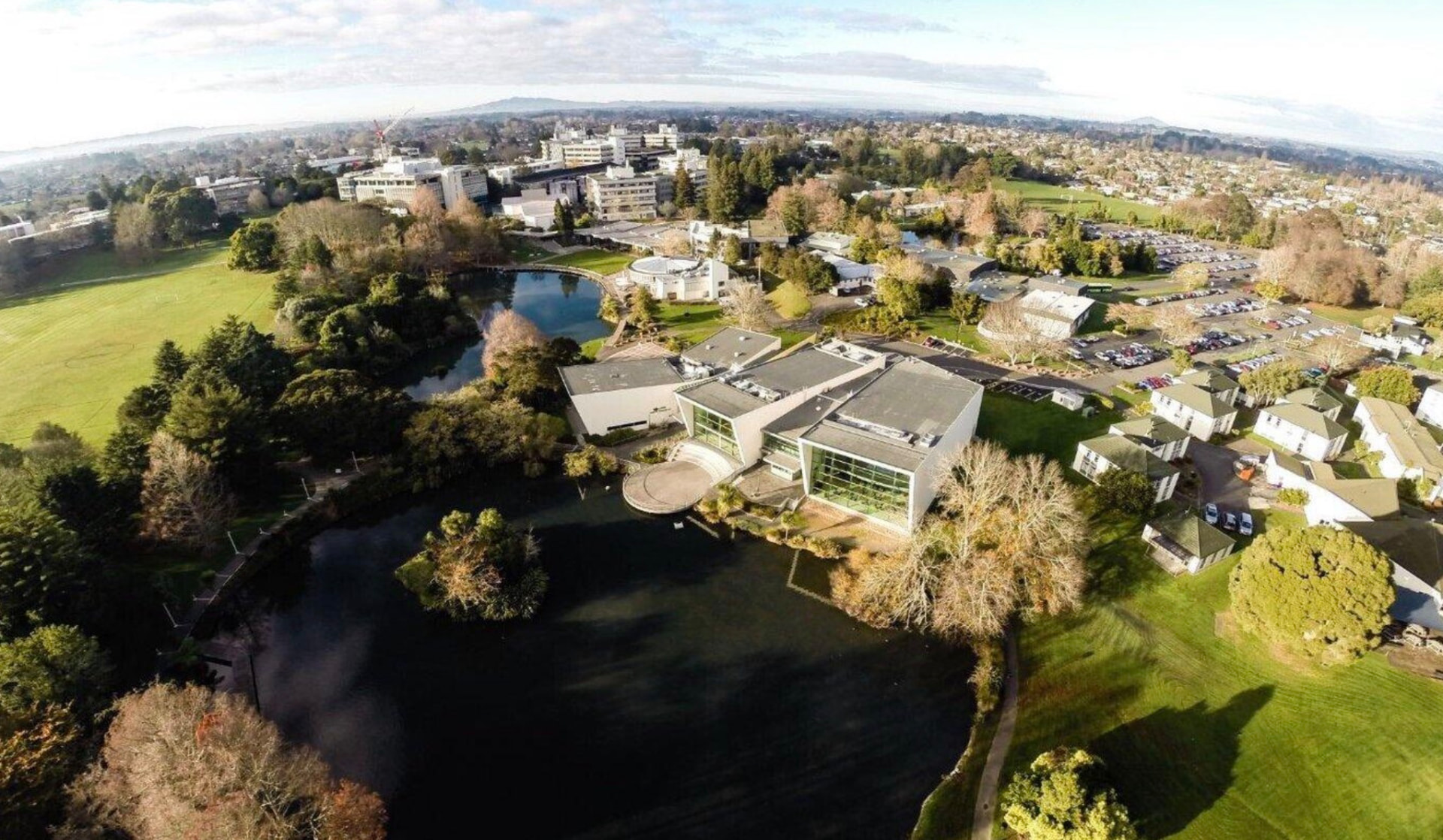
A 22-year-old University of Waikato researcher is helping challenge conventional approaches to flood-risk assessment, with her work highlighting why communities may face greater danger when heavy rainfall events occur in close succession.
Morgan Harris, originally from Patetonga on the Hauraki Plains, has received the Dr Stella Frances Scholarship in recognition of research examining the combined impacts of repeated rainfall events and the ability of communities to recover.
The scholarship, worth up to $6,000, is jointly supported by Waikato Regional Council and the Department of Conservation.
Harris was presented with the award at Waikato Regional Council's October meeting.
Her research comes as councils and communities throughout New Zealand consider how changing rainfall patterns could influence infrastructure planning, emergency management and future development.
Traditional approaches to assessing flood hazards often focus on the likelihood and severity of individual rainfall events.
However, Harris's research examines how the timing and frequency of multiple events can produce significantly different outcomes.
A community that experiences flooding may require weeks, months or even longer to repair damaged infrastructure, restore homes and recover financially.
If another rainfall event occurs before that recovery is complete, the consequences can be more severe.
This means flood-risk assessments based only on isolated weather events may overlook important vulnerabilities.
The research considers both the physical characteristics of rainfall and the circumstances of communities exposed to flooding.
For example, households with limited financial resources or communities already dealing with damage may find it more difficult to respond when further flooding occurs.
The work forms part of the University of Waikato's Climate Extremes and Societal Impacts research programme.
Flood resilience is particularly relevant to the wider Waikato, where rivers, floodplains, rural communities and urban development all create different considerations for managing water.
For areas such as the Hauraki Plains, flood protection and community preparedness are longstanding issues.
Harris has also contributed to the Our Plains Our Future Community Panel, which is involved in adaptation planning for the area.
Her work considers how projected rainfall changes can be assessed alongside differences in the ability of communities to recover.
This approach may help decision-makers identify situations where the consequences of repeated flooding are greater than conventional assessments suggest.
However, the research does not amount to a specific new flood warning for Hamilton or establish that any particular neighbourhood faces an increased risk.
The scholarship honours the late Dr Stella Frances, a former Waikato regional councillor and Department of Conservation official whose work focused on environmental protection and community involvement.
Frances, who died in 2003, was known for approaching environmental concerns through a broad understanding of the relationships between ecosystems and communities.
The scholarship supports University of Waikato master's students conducting environmental research relevant to the region.
Harris previously received Waikato Regional Council's Water Science Prize in 2025.
Waikato Regional Council chair Warren Maher has welcomed her latest achievement, highlighting the contribution emerging researchers can make to understanding environmental risks and strengthening community resilience.
The research also draws attention to a significant challenge facing local authorities: preparing for future environmental pressures while recognising that communities do not all have the same resources or capacity to recover.
As extreme weather remains an important consideration for New Zealand's infrastructure and development planning, research undertaken in the Waikato could help inform wider conversations about disaster preparedness.
Have a story tip or spotted an error? Contact the newsroom.
No comments yet — be the first to share your thoughts.
Sign in to join the discussion.
Sign in to comment29 October 2026 · 6 min read
29 October 2026 · 3 min read
29 October 2026 · 3 min read