News · Taranaki
NZTA confirms roadworker will NOT be stood down over te reo Māori signs
14 October 2026 · 3 min read
The stories that matter to Waikato, for the Waikato.
Owae Marae in Waitara is facing months of elevated electricity charges despite significantly reducing its peak power demand, raising questions about how electricity distribution companies charge community organisations.
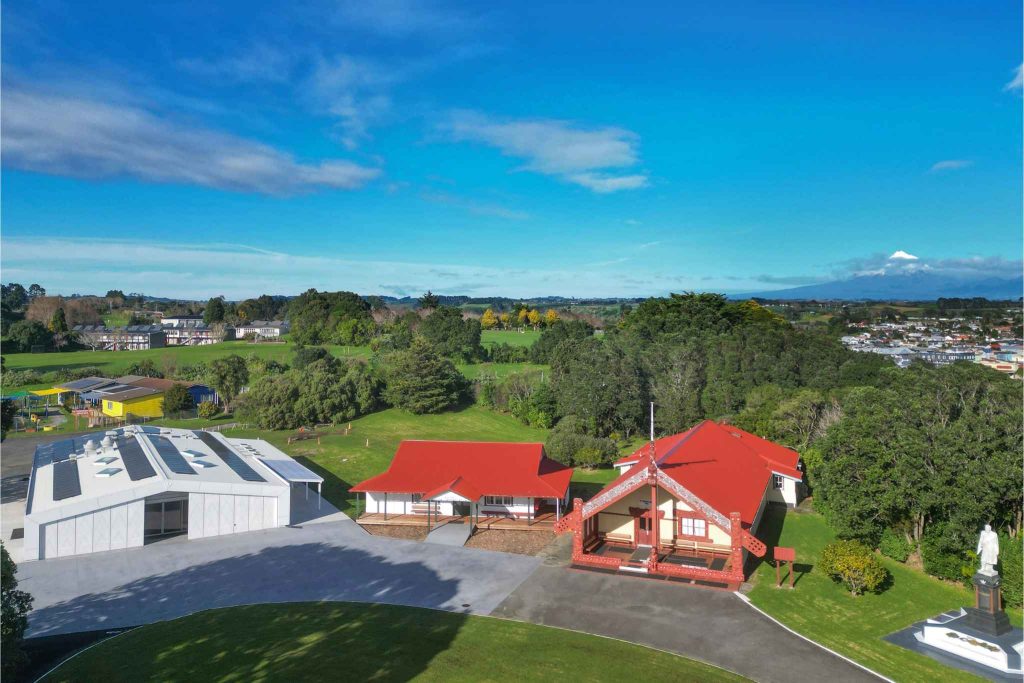
Owae Marae in Waitara is facing months of elevated electricity charges despite significantly reducing its peak power demand, raising questions about how electricity distribution companies charge community organisations.
The marae's electricity bill reportedly increased from approximately $400 to $2,000 following the development of its new facilities, which include a modern commercial kitchen and solar energy system.
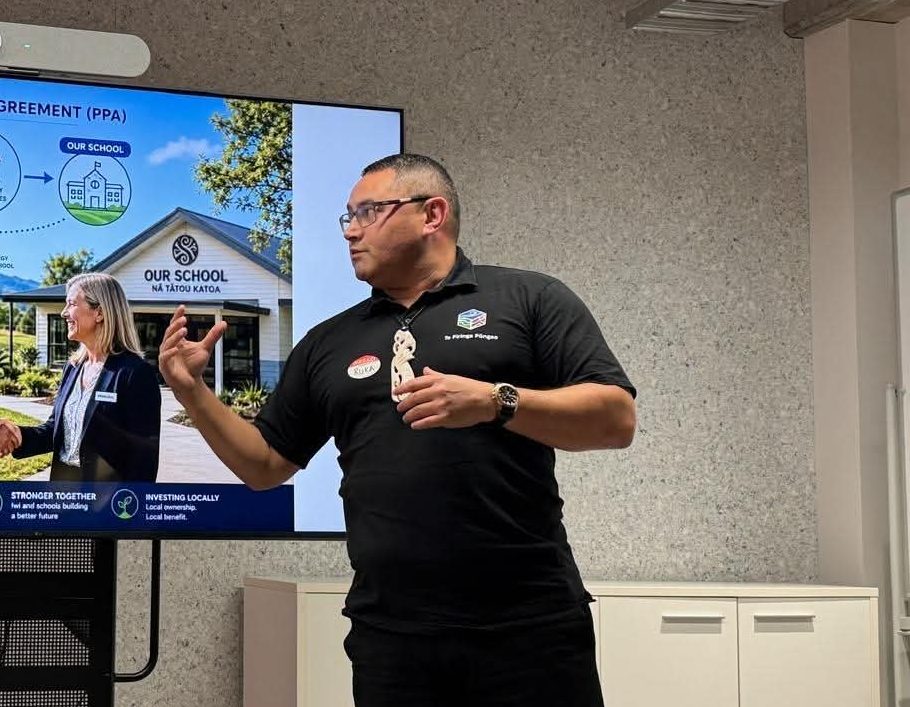
But according to Ruka Te Moana of Te Piringa Pūngao (The Energy Alliance), a Māori-led renewable energy company that partners with iwi, hapū and industry to develop and own sustainable energy assets, the problem is not how much electricity the marae consumes.
It is how the electricity distribution network charges the marae for the capacity to use it.
Te Moana, who has been working to resolve the issue, says more than 70 percent of the increase can be attributed to distribution charges, while the electricity consumption component accounts for just 11 percent of the current bill.
At the centre of the dispute is a large transformer (300 kVA) installed to service the upgraded marae.
Te Moana says the transformer is substantially larger than required, with the marae using less than 20 percent of its capacity, even during major gatherings such as tangihanga.
Because the marae is the sole customer connected to the transformer, he says it has been placed on a charging arrangement comparable to those used by commercial and industrial electricity customers.
Unlike businesses operating machinery throughout the working week, the marae generally requires higher electricity capacity only when hosting large gatherings.
In an interview with The Ngāmotu Advocate, Te Moana explained how changes to the marae's electricity management have substantially reduced its peak demand.
By adjusting when its solar battery system supplies electricity and staggering the operation of commercial kitchen equipment, peak demand has reportedly fallen from approximately 53 kVA to around 29 kVA.
However, Te Moana says the lines company's pricing arrangements mean the marae will continue paying charges based on its previous higher demand until 31 March 2027.
While some electricity distribution companies review peak demand more frequently, he says the lines company's applicable arrangement operates on an annual cycle.
Te Moana expects distribution charges to fall by approximately half from April 2027 if the lower demand is maintained, but says the marae will still face commercial level charges associated with its electricity infrastructure.
Te Moana questions why a 300 kVA transformer was specified for the marae in the first place.
He says the upgraded facilities required additional electrical capacity, particularly for the commercial kitchen, but there was no identified future development that would justify such a large transformer.
He believes communication between the electrical design engineers, the lines company and the marae was inadequate.
According to Te Moana, the marae did not specifically request a transformer of that capacity and was not adequately informed of the ongoing financial implications.
He says questions about the electricity charges were raised as early as 2023.
One potential solution discussed with the lines company was reducing the available capacity through changes to the transformer's fusing or connection arrangements, potentially allowing the marae to qualify for a different tariff.
However, Te Moana says conflicting advice was received about whether this could be done, and the proposed change has not proceeded.
The Ngāmotu Advocate has not independently established who specified the transformer or whether a smaller installation would have met the marae's requirements.
The marae's solar energy system has also been the subject of a separate billing issue.
Te Moana says surplus electricity generated by the marae and exported into the grid had not been credited under an appropriate arrangement with its retailer.
He says the retailer subsequently acknowledged the issue, apologised and provided a full retrospective credit worth several thousand dollars for surplus electricity exported since 2023.
However, the credit does not address the ongoing distribution charges, which are determined by the lines company and generally passed through to customers by electricity retailers.
Te Moana says suggestions that the marae should simply change electricity retailers or improve its solar system miss the central issue.
Have a story tip or spotted an error? Contact the newsroom.
14 October 2026 · 3 min read
13 October 2026 · 1 min read